




Calories and sugar in drinks: understanding the difference to make better food choices
In our daily diet, drinks play a more important role than we might think. Water, soft drinks, fruit juices, light drinks and alcoholic beverages each have a different nutritional impact on health, weight and overall calorie intake. Yet many consumers still confuse sugar and calories, even though these two concepts do not refer to the same thing.
Understanding sugar content, calorie amounts and the nature of the nutrients found in drinks helps us make better choices, whether we are trying to limit our intake, lose weight, or simply adopt a healthier and more mindful diet.
Calories: a key concept in nutrition, often misunderstood
A calorie is a unit that measures the energy provided by a food or drink. It is not an ingredient in itself, but the energy the body can use for its vital functions, physical activity and daily performance.
In nutrition, this energy mainly comes from carbohydrates, proteins, fats and, in the case of certain drinks, alcohol. Fats provide more calories than carbohydrates or proteins, while alcohol is an often underestimated source of energy in drinking habits.
As a result, a drink can be high in calories without containing any sugar, which surprises many people when they are trying to better manage their daily calorie intake.
Sugar in drinks: quick energy, but with little nutritional value
Sugar is a type of simple carbohydrate. It can occur naturally, especially in fruit, or be added during the production of many food products, such as soft drinks, industrial fruit juices or certain indulgent drinks.
Although it provides a pleasant taste and quickly available energy, the sugar found in drinks is often described as empty calories. It provides few vitamins, few minerals and no satiating effect. Excessive sugar consumption can therefore have a negative impact on health, promote weight gain and make diet or weight-loss goals more difficult to achieve.
This is why nutritional recommendations stress the need to limit sugar intake, especially in liquid form.
Sugar and calories: why drinks can be misleading
Not all drinks are equal from a nutritional point of view. Soft drinks, for example, contain high levels of sugar and are a significant source of calories. Fruit juices, often perceived as healthier, can have a similar calorie content, despite their more natural image.
Conversely, some drinks can be very high in calories without being sweet. This is the case with alcoholic beverages, where alcohol is the main source of energy. Even without added sugar, regular consumption can have a significant effect on weight and metabolic health.
Light or zero-calorie drinks, on the other hand, use sweeteners. They offer a sweet taste without significant energy intake, but their consumption should remain moderate as part of a balanced diet.
Finally, still or sparkling water remains the main drink with no sugar, no calories and no negative impact on nutritional intake.
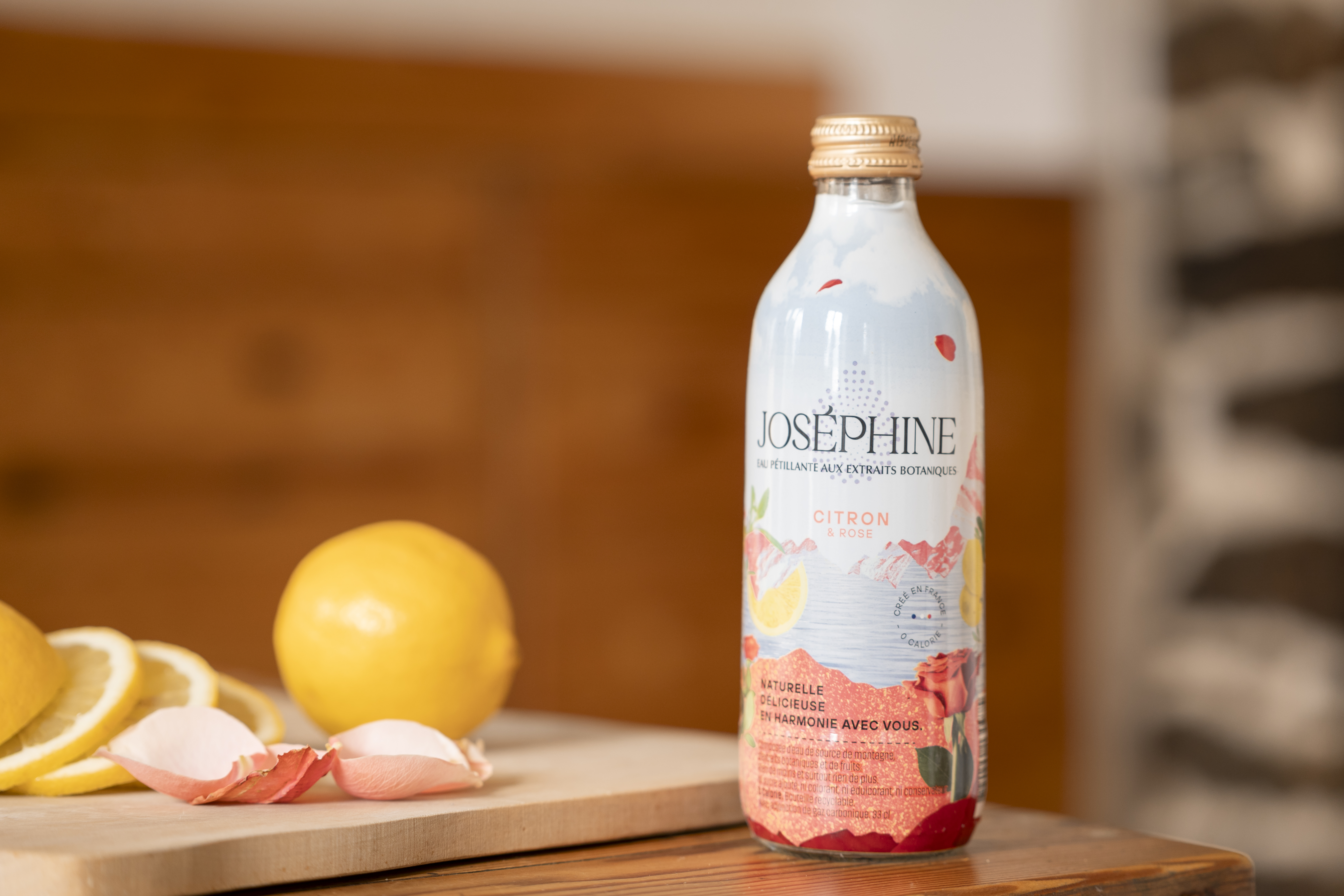
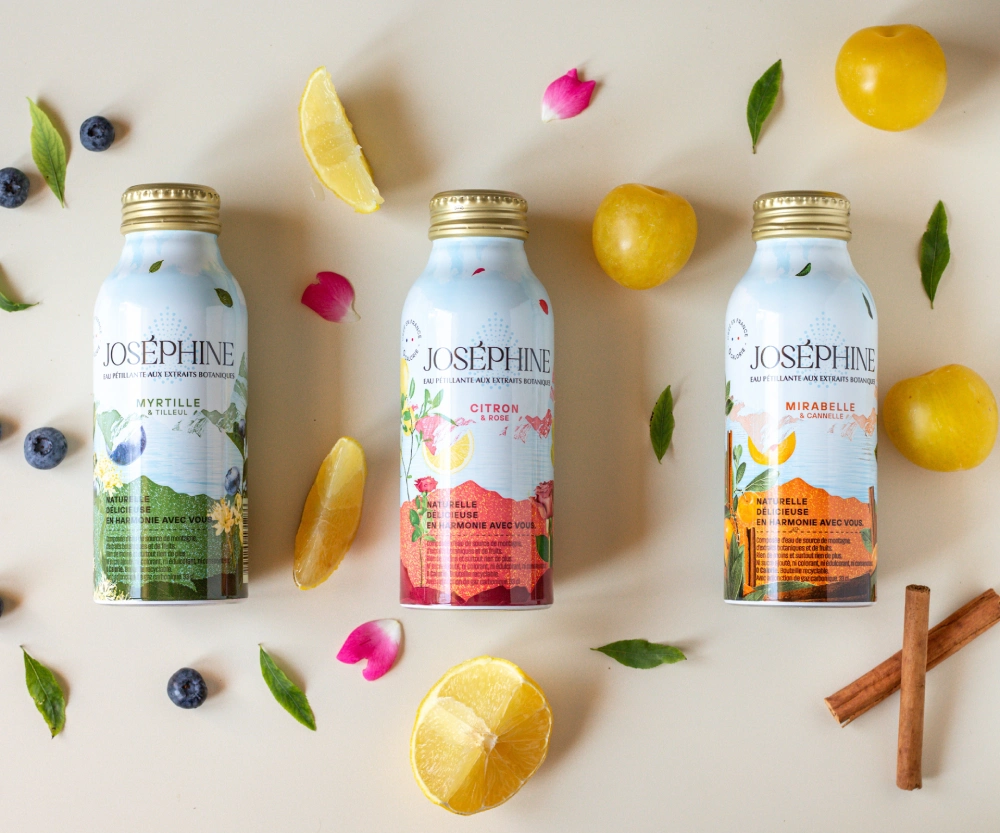
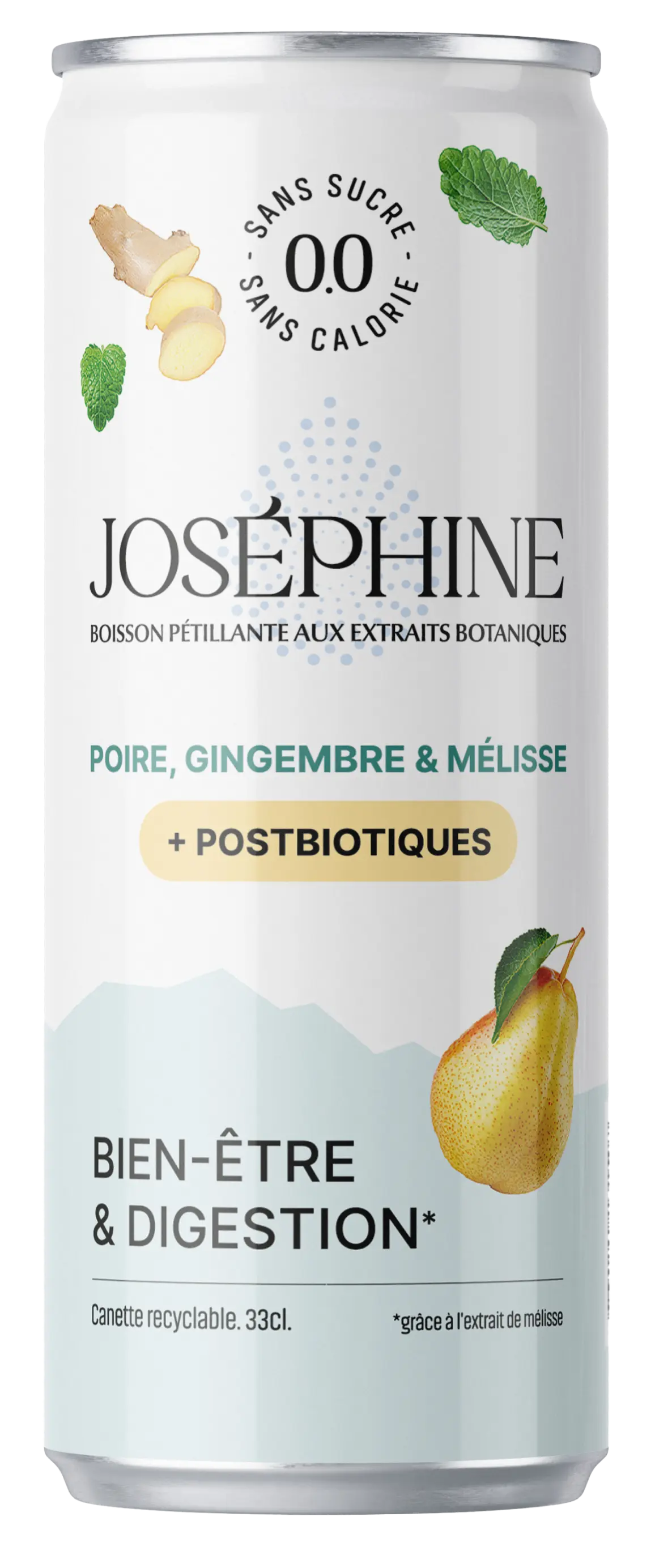
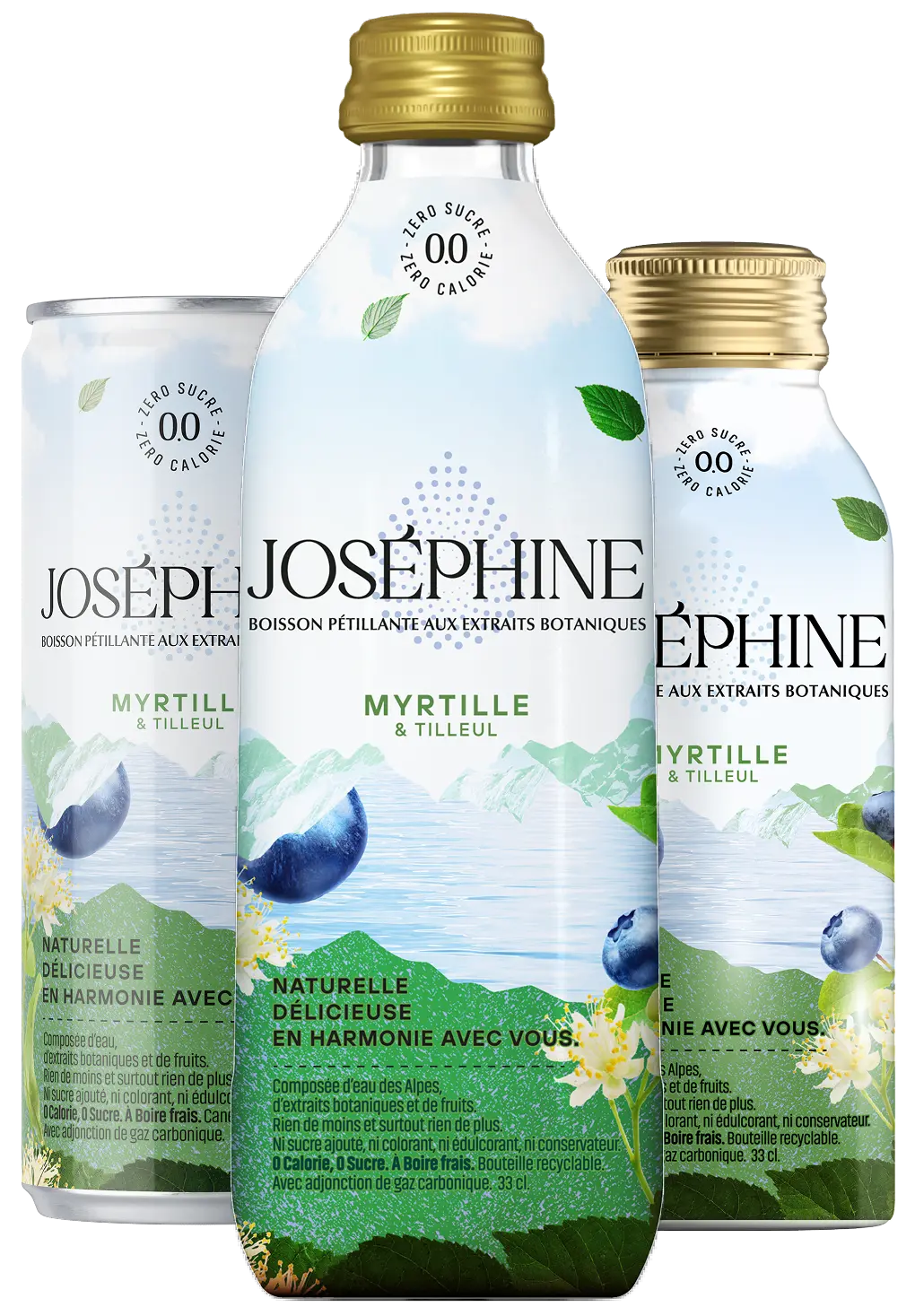
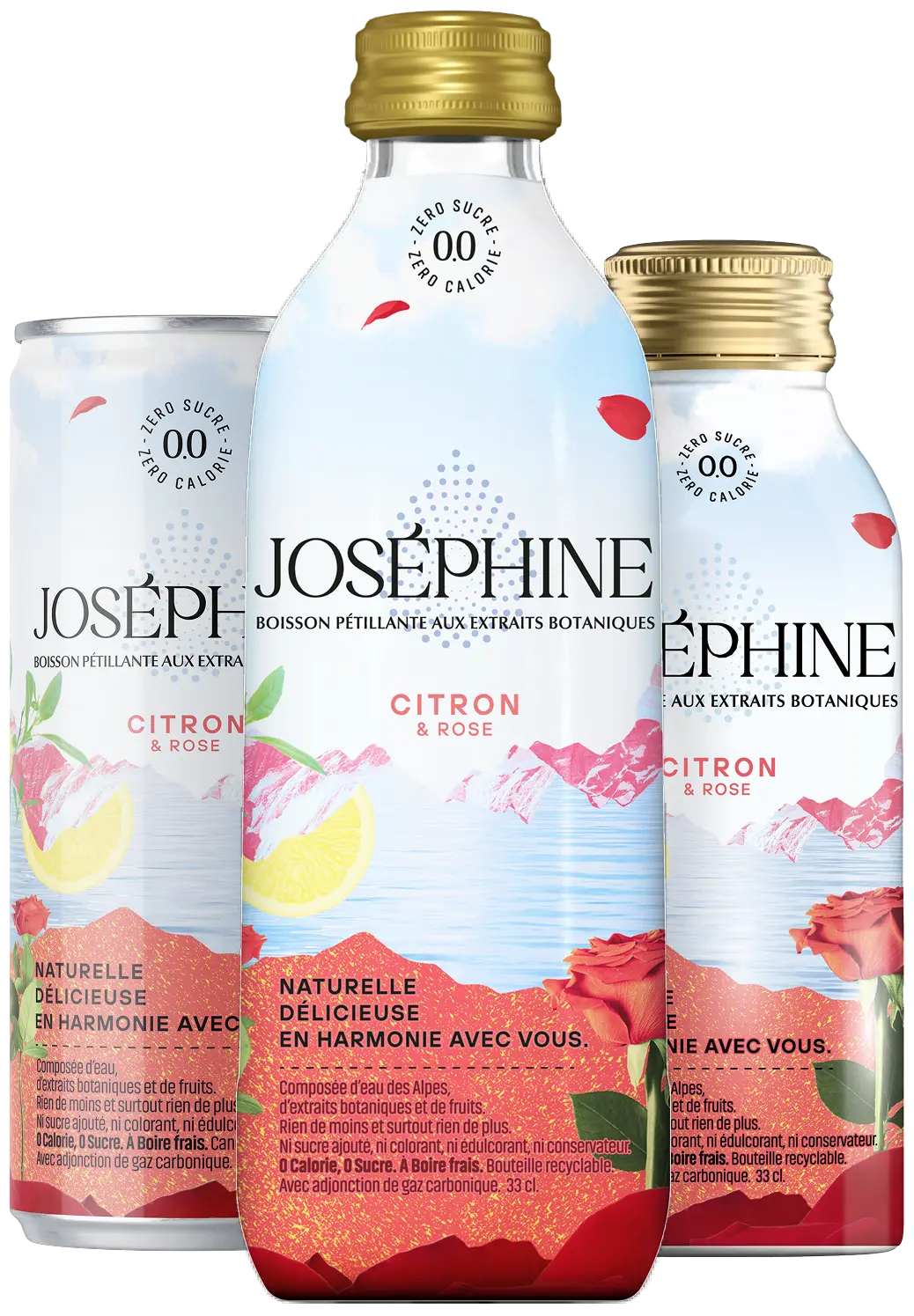
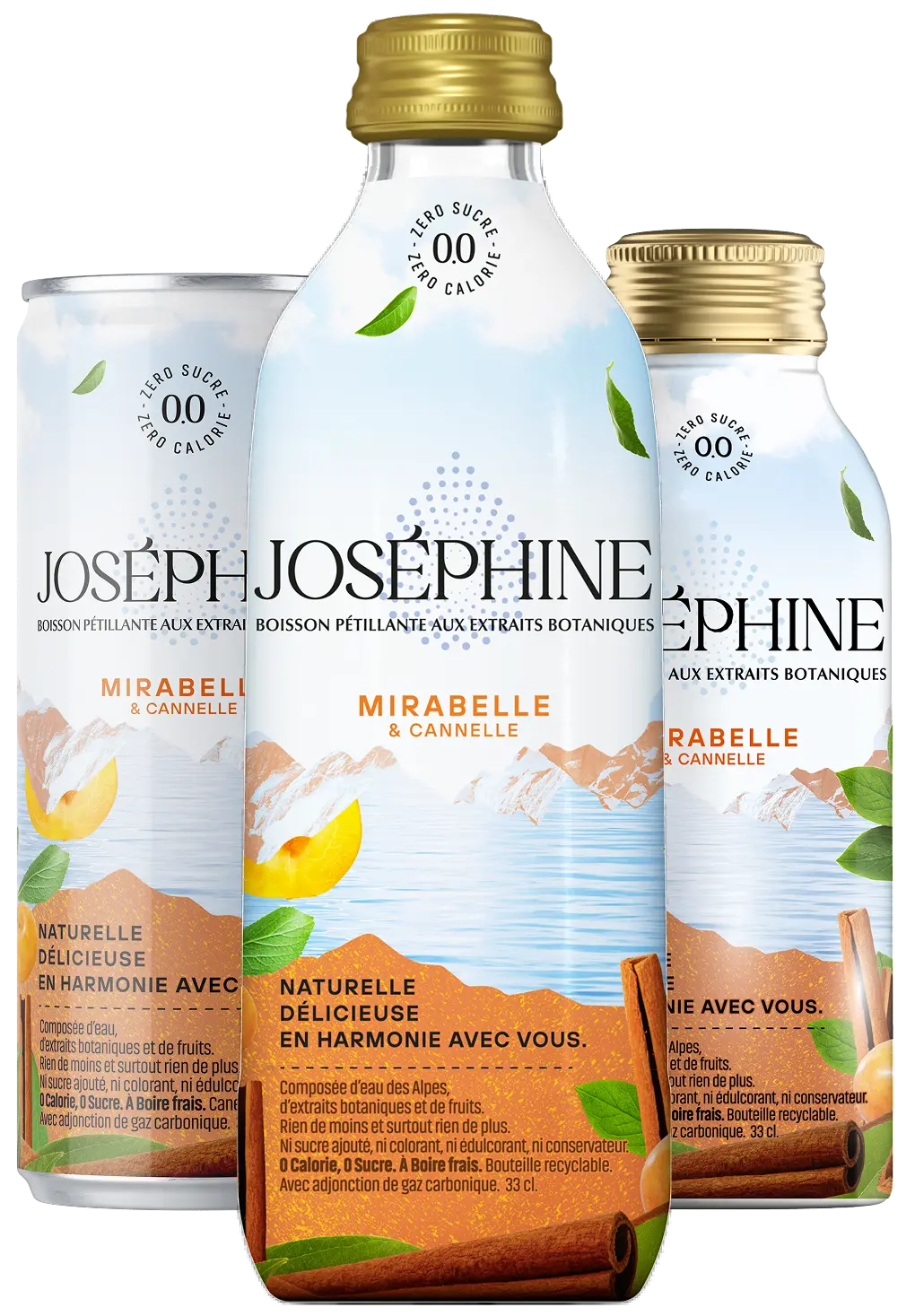
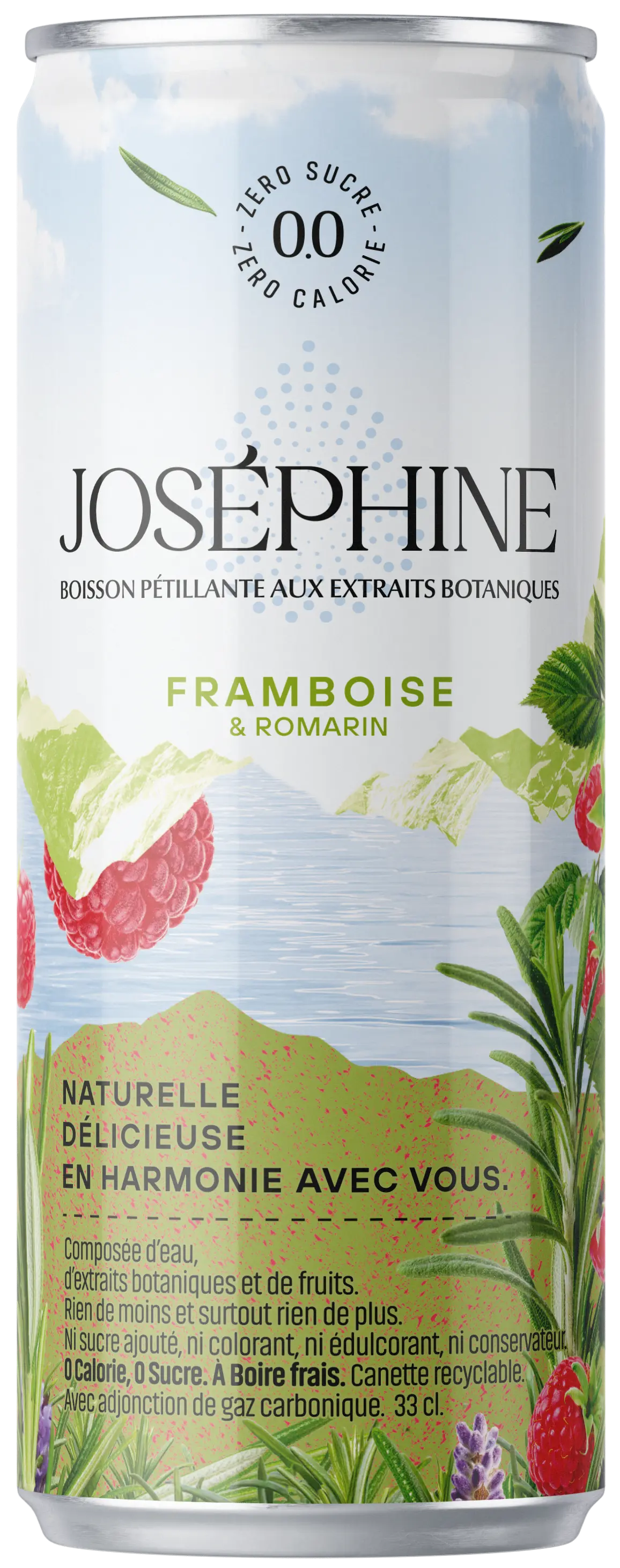
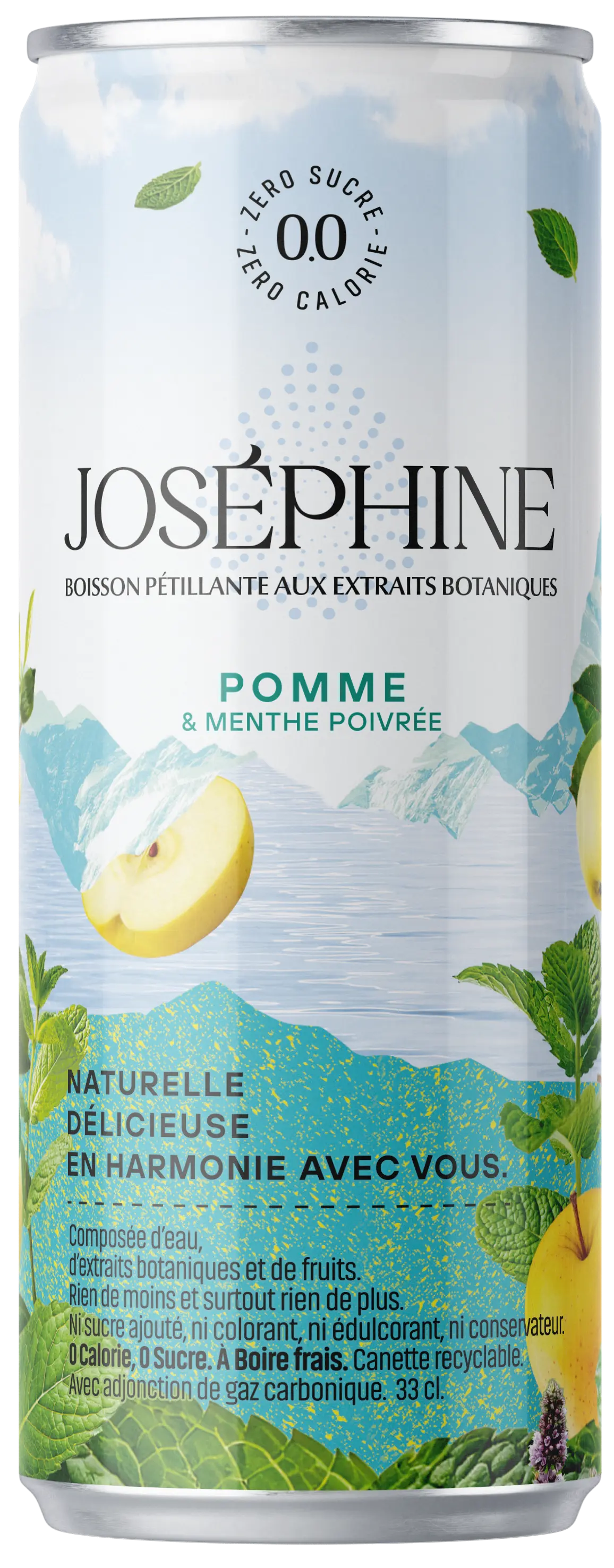
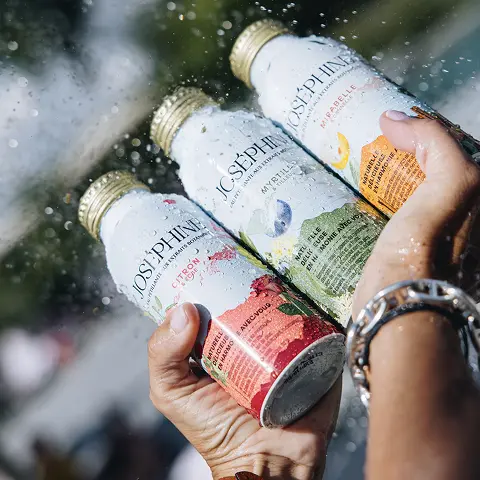
New drinks are entering the market as healthy alternatives to soft drinks, including Joséphine, the first sparkling water with 100% natural botanical extracts. 0 sugar, 0 calories, with no colouring, sweeteners, preservatives or additives.
The importance of monitoring liquid calories
Liquid calories are particularly problematic because they are consumed quickly, without creating a feeling of fullness. As a result, we can drink several glasses a day without really paying attention to the total number of calories consumed.
For many people, reducing calories from drinks is one of the most effective ways to lose weight, without drastically changing food portions or meal content. It is also a more sustainable approach to improving long-term health.
Choosing your drinks better: towards healthier alternatives
Adopting healthier eating habits does not mean giving up enjoyment. Rather, it is about choosing alternatives that are better suited to your nutritional needs, favouring drinks that are low in calories, contain no added sugars and are free from ultra-processed ingredients.
Natural, minimally processed drinks with no unnecessary calories are fully in line with this approach to mindful nutrition, which respects the body and today’s lifestyles.
Joséphine : a natural, sugar-free and calorie-free alternative
In this quest for balance, Joséphine, created by Les Eaux Bonneval, offers a different take on sparkling drinks. Made from water and extracts of natural fruits and botanicals, it contains no sugar, no calories, and no colourings, preservatives, sweeteners or additives.
This sparkling drink offers a subtle and refined flavour, combining a fruit and a botanical ingredient, and is designed to accompany everyday moments without adding unnecessary calories. It is a healthy alternative to fizzy drinks, suitable for consumers who are mindful of their health, their weight and the quality of their diet.
Natural, elegant and light, Joséphine helps to reduce liquid calories whilst still allowing you to enjoy a flavourful and refreshing drink.
Nutrition: a key factor in maintaining balance in everyday life
Nutrition plays a central role in maintaining daily balance, particularly when it comes to the repeated consumption of sugary drinks or snacks. A thoughtful approach to nutrition helps us to better identify sugary habits that can be detrimental to long-term wellbeing. When it comes to nutrition, simply cutting back on sugary options consumed out of habit can already have positive effects on overall health. Adopting a more mindful approach to nutrition therefore involves making less sugary choices that are better suited to the body’s actual needs and each person’s lifestyle.
Key takeaways
Sugar and calories play different roles in our diet. Sugar is one source of energy amongst others, but it is not the only one. A drink can be high in calories without containing sugar, or, conversely, be calorie-free whilst still being enjoyable to drink. By paying attention to the nutritional content of drinks and opting for more natural alternatives, it becomes easier to look after your health, manage your weight and adopt a more balanced diet in the long term